Ordering Tips
How Much Should You Tip a Pizza Delivery Driver?
The delivery fee isn't the tip. Here's what drivers actually earn, what the standard is, and when to go above it.

Marisol Vega
Founder & Lead Menu Analyst
Last updated
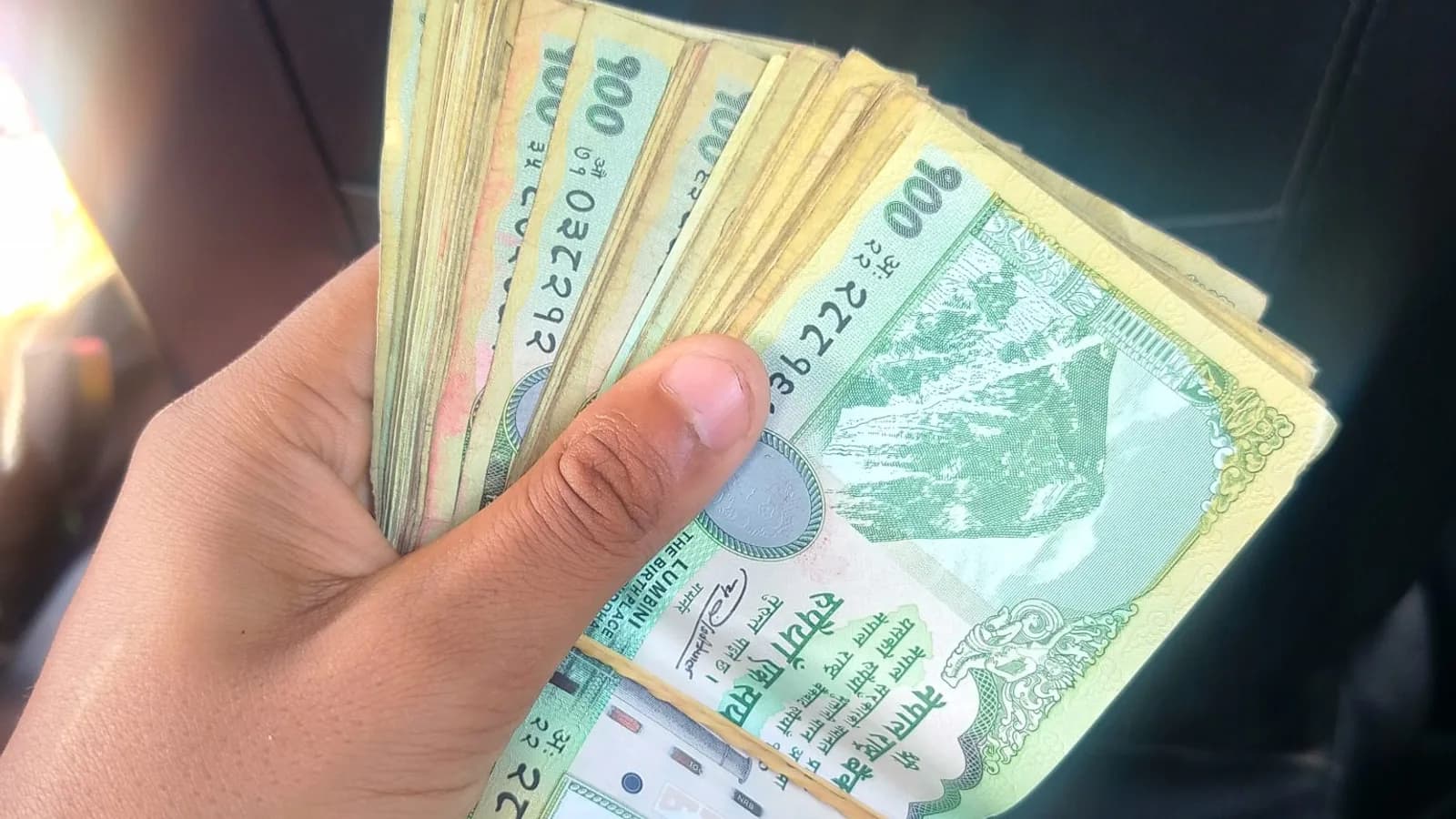
This comes up constantly, and there's a lot of confusion around one specific point, so let's start there.
The delivery fee is not a tip
It's the most common misunderstanding in the whole transaction. You pay a four-dollar delivery fee, you reasonably assume that's compensation for the delivery, and you skip the tip.
The delivery fee is store revenue. It covers mileage reimbursement, commercial insurance on the delivery operation, and dispatch overhead. Depending on the franchise, a small per-run portion may reach the driver. Frequently none of it does.
So when the fee substitutes for a tip in your mind, the person absorbing that decision is the driver. Not the store, which collected the fee either way.
What drivers actually earn
Structures vary, but the common model is an hourly wage — sometimes at or near minimum, sometimes at a reduced tipped-employee rate depending on the state — plus tips, plus in some cases a small per-delivery mileage payment.
Drivers also cover their own vehicle costs in most cases. Fuel, maintenance, tyres, and the accelerated wear that comes from short-trip city driving. Mileage reimbursements exist but frequently don't cover the true per-mile cost of operating a car.
None of that is your responsibility to fix. It is, however, useful context for what a tip means to the person receiving it.
The standard
Fifteen to twenty percent of the food subtotal, with a floor of about five dollars on smaller orders.
The floor matters. Twenty percent of a fourteen-dollar order is $2.80, and someone drove a car to your house. Five dollars is the sensible minimum regardless of order size, because the effort involved doesn't scale down with your order.
Calculate on the food subtotal, not the post-fee total. Tipping a percentage on top of the delivery fee means you're tipping on money the driver never sees, which nobody actually intends.
When to go higher
Bad weather. Snow, ice, heavy rain, extreme heat. The job gets harder and slower, fewer drivers work those shifts, and the ones who do are earning it. Add three to five dollars.
Long distance. If you're at the far edge of a delivery radius, that run took twice as long as a close one and the driver made the same base pay. Adjust for it.
Large orders. Ten pizzas is a genuine physical task involving multiple trips from the car. The percentage handles some of this, but not all.
Difficult access. Fourth-floor walk-up, gated complex with a confusing layout, a building requiring a lobby handoff. All of these add real time.
Late night. Driving unfamiliar streets at 2am at the end of a long shift deserves recognition.
Cash versus card
Cash, when you have it. It reaches the driver immediately and in full. Card tips run through payroll, which means a delay of a week or two and, depending on the operator, potential processing deductions.
Card is entirely fine if that's what you have. Cash is just better, and it's especially appreciated in bad weather when drivers are having a hard shift.
What about carryout?
No obligation. You did the work.
That said, if someone spent time building a complicated large order, or ran it out to your car for a curbside collection, a couple of dollars is a decent gesture. Not expected, just decent.
A note on service problems
If the food arrives late, that's almost never the driver's doing. Kitchen backlog, staffing, traffic and dispatch decisions are all outside their control. Withholding a tip for a slow delivery punishes the wrong person.
If a driver was genuinely rude or the food was mishandled through their fault, that's a different conversation — and the right move is to contact the store, which can address it. Silently zeroing the tip communicates nothing to anyone who can fix it.
The simple version
Five dollars minimum. Fifteen to twenty percent on the food subtotal above that. More in bad weather, more for long distances, more late at night. Cash if you have it.
It's a small amount of money that makes a real difference to someone's shift, and it takes no thought once you've decided on the rule.
Example prices — verify at official checkout. Menu pricing is set independently by each franchise store and changes without notice.
Domino's Menu Guide is an independent publication. We are not affiliated with, endorsed by, sponsored by, or connected to Domino's Pizza LLC or any of its subsidiaries or franchisees. All trademarks and brand names belong to their respective owners and are referenced here only to describe the food being discussed.
Frequently asked questions
Keep reading
 Comparisons
Carryout vs Delivery: What the Twenty-Minute Drive Is Really Worth
We tracked the same order both ways across several markets. The gap is bigger than most people assume, and it's widest exactly where you'd least expect.
 Ordering Tips
How to Order Pizza for 10, 20 or 50 People Without Getting It Wrong
Slice counts, topping ratios, timing, and the mistakes that leave half a party unfed. A practical planning guide for group orders.
 Ordering Tips
How to Reheat Leftover Pizza So It's Actually Good
The microwave is the wrong answer and everyone knows it. Here's the pan method, the oven method, the air fryer method, and which one to use when.