Nutrition
Ordering Pizza With a Food Allergy: What You Need to Ask
Shared kitchens, allergen charts and the questions that actually get you useful answers. A careful guide for anyone managing a real restriction.

Hannah Brecht
Nutrition & Ingredients Writer
Last updated
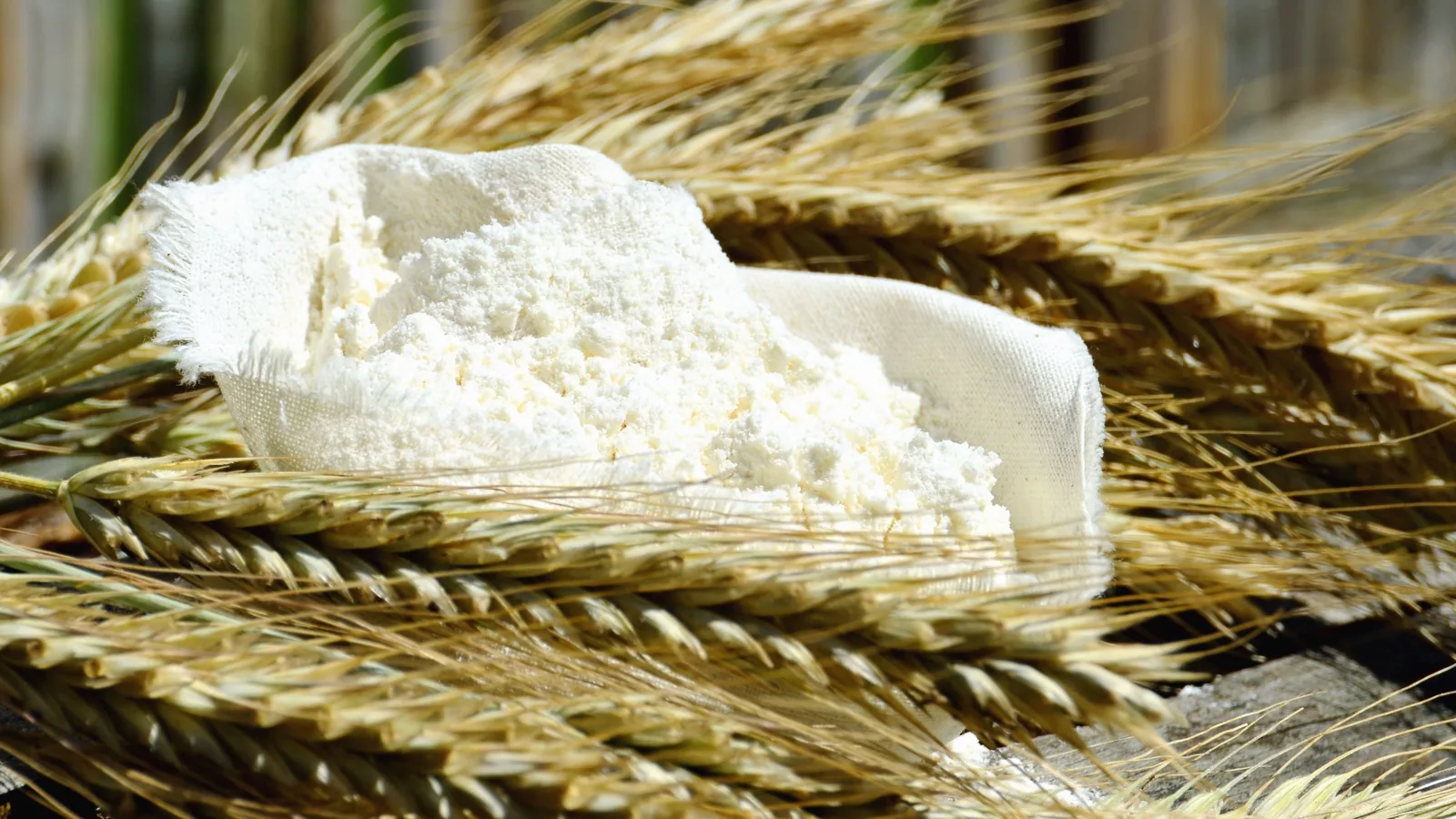
This one needs a careful tone, so I'll be direct throughout. If you or someone you're ordering for has a genuine food allergy — the kind with medical consequences rather than a preference — a chain pizza kitchen requires some thought.
Here's what you need to know and what to ask.
The fundamental issue: shared kitchens
A pizza store is one room. Dough is stretched on shared surfaces. Flour becomes airborne. Cheese is handled with the same gloves that handled meat two minutes earlier. Pizzas travel through the same conveyor oven on the same belt. Cutting wheels are shared.
This isn't negligence. It's how a high-throughput kitchen producing hundreds of items an hour is designed to work. But it means that whatever an operator says about ingredients, cross-contact is a realistic possibility for almost any allergen.
Most major chains state this explicitly in their allergen documentation. That statement is not legal boilerplate to be waved away — it's an accurate description of the environment.
Where to get reliable information
Go to the brand's official website. Every major operator publishes an allergen chart, usually linked from the footer or a nutrition section. That document is the only source that reflects current formulations for the market you're in.
Do not rely on third-party sites, including this one, for allergen decisions. Recipes change, suppliers change, and regional formulations differ. We can tell you what questions to ask. We cannot tell you what's in a specific item at your specific store today.
The common allergens, honestly assessed
Wheat and gluten. The hardest one. Gluten-free crusts exist at most chains and they're made without gluten-containing ingredients, but the kitchen handles wheat flour constantly. Airborne flour settles on everything. For a wheat allergy or diagnosed coeliac disease, the risk is real and most operators say so. For non-coeliac sensitivity, many people order these without issue — that's a personal risk assessment.
Milk. Cheese is the obvious source, but it's also in garlic butter, most dips, ranch, alfredo sauce, some crust seasonings and some breaded coatings. A no-cheese pizza with tomato sauce and vegetables is usually the workable option. Ask specifically about the crust seasoning, which people forget.
Soy. Widespread and easy to miss. It appears in oils, dough conditioners, cheese blends and many processed meats. If you're avoiding soy, the allergen chart is essential rather than optional.
Egg. Less common in pizza itself but present in many dressings, some dips, mayonnaise-based sauces and certain desserts. Pasta may contain it.
Tree nuts and peanuts. Rarely used in mainstream pizza menus, which makes chain pizza relatively lower-risk for nut allergies than many other cuisines. Desserts are the exception to check.
Fish and shellfish. Anchovies appear on some menus. If they're offered at all, they're handled in the same kitchen.
How to ask so you get a useful answer
Phrasing matters more than people expect.
Say “allergy,” not “I don't want.” Kitchens treat those differently, and they should.
Name the specific ingredient rather than a category. “Dairy” is ambiguous; “milk protein” is not.
Ask what they can do, not whether it's safe. “Can you change gloves and use a clean surface?” gets a more useful answer than “is this safe for my allergy?”, which invites a reflexive reassurance.
Order by phone or in person for anything serious. An online notes field is not a conversation, and it may not reach the person making your food.
And take a clear no seriously. An operator saying “we can't guarantee that” is being honest with you, and that honesty is more valuable than a vague yes from someone who wants to be helpful.
Practical safer choices
Items with fewer components carry fewer opportunities for a problem. A plain cheese pizza has four ingredients. A loaded specialty has fifteen.
Ordering during a quiet period — mid-afternoon rather than Friday at seven — means the kitchen has more capacity to handle a special request properly. This genuinely matters.
And if the allergy is severe, be realistic. There are cuisines and kitchens better suited to it. Choosing not to order pizza from a shared kitchen isn't a failure of accommodation; it's a sensible risk decision that a lot of people with serious allergies make.
This article is general information, not medical advice. Anyone managing a diagnosed food allergy should follow the guidance of their allergist and verify all details directly with the restaurant before ordering.
Example prices — verify at official checkout. Menu pricing is set independently by each franchise store and changes without notice.
Domino's Menu Guide is an independent publication. We are not affiliated with, endorsed by, sponsored by, or connected to Domino's Pizza LLC or any of its subsidiaries or franchisees. All trademarks and brand names belong to their respective owners and are referenced here only to describe the food being discussed.
Frequently asked questions
Keep reading
 Nutrition
A Realistic Guide to Pizza Calories (Without the Guilt)
Where the calories actually come from, which choices move the number most, and how to order a pizza that fits your week without pretending it's a salad.
 Comparisons
App vs Website vs Phone: Which Way of Ordering Pizza Wins?
Three ways to place the same order, three different prices and three different failure modes. Here's which one to use and when.
 Money Saving
The 9 Best Value Items on Any Pizza Menu (And the 4 Worst)
Ranked by food per dollar and honest usefulness, not by what the marketing pushes. Some of these will surprise you.