Comparisons
Thin Crust vs Hand Tossed: Which One Should You Actually Order?
Two crusts, completely different pizzas. A practical comparison across taste, calories, delivery survival, value and who each one suits.

Marisol Vega
Founder & Lead Menu Analyst
Last updated
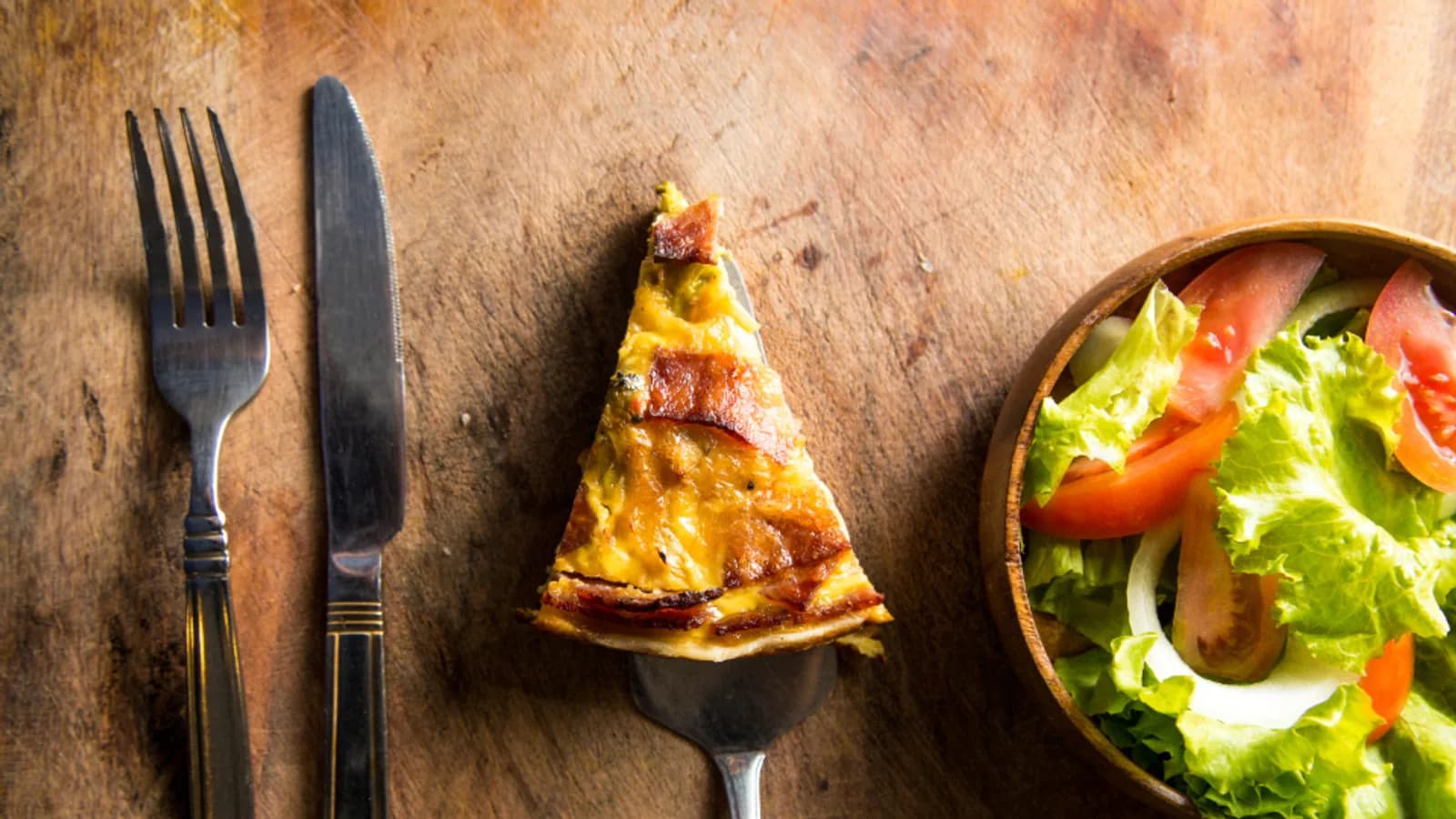
This is the crust decision most people actually face, since pan and stuffed are usually deliberate choices while thin versus hand-tossed is the everyday fork in the road.
They're not variations on a theme. They produce genuinely different pizzas, and the right answer depends on things that have nothing to do with which one tastes better in the abstract.
What each one actually is
Hand-tossed dough is stretched to a moderate thickness and baked so the interior stays soft while the outer edge puffs into a chewy rim. There's real bread there. It has structure and give.
Thin crust is rolled flat — properly flat — and baked until the whole base crisps through. No soft interior, no puffed edge. It snaps rather than bends.
The result is that hand-tossed pizza is a bread dish with toppings, and thin crust is a topping dish on a cracker. Same ingredients, different balance entirely.
Flavour: it depends what you want to taste
On hand-tossed, the dough is a genuine flavour component. Yeasty, slightly sweet, with a chew that carries the sauce and cheese. Toppings sit within that context.
On thin, the toppings dominate completely. There's not enough base to compete. A pepperoni thin crust tastes considerably more like pepperoni than the same pizza hand-tossed — the meat's fat and spice have nothing to hide behind.
Neither is better. If you love the taste of good pizza dough, hand-tossed. If the toppings are the point and the crust is delivery mechanism, thin.
Calories: a real difference
Thin crust runs roughly a third fewer calories per slice. A medium hand-tossed pepperoni slice is around 290; the thin crust equivalent is around 190.
The honest caveat: thin crust slices are less filling, and people eat more of them. Three thin slices and two hand-tossed slices land in similar territory. If you eat to a fixed slice count, thin crust saves you real calories. If you eat until you're full, the gap narrows considerably.
Topping capacity: no contest
Hand-tossed wins outright. It'll take four or five toppings without complaint. Thin crust starts struggling at three, and wet vegetables — fresh tomato, spinach, extra sauce — will defeat it entirely.
If you want a loaded pizza, hand-tossed. If you're doing one or two toppings, thin crust is fine and arguably better.
Delivery survival: the deciding factor for many
This is where the practical answer often gets settled.
Hand-tossed handles a delivery drive well. It has enough moisture and mass that twenty-five minutes in a warm box doesn't fundamentally change it.
Thin crust does not. Its entire appeal is the crispness, and crispness is exactly what steam in a closed box destroys. A thin crust that was excellent at the store is noticeably softer on arrival — still perfectly edible, but you've lost the thing you ordered it for.
So: getting delivery, order hand-tossed. Picking it up and eating within ten minutes, thin crust is a genuinely different and often better experience.
Value
Priced identically at most operators, which technically makes hand-tossed the better deal by weight since you're getting more dough for the same money. Whether more dough is what you wanted is another question.
Neither carries the upcharge that pan or stuffed crust do, which makes both of them fully compatible with every promotional structure on the menu. That's worth knowing — choosing thin over hand-tossed never costs you access to a deal.
Leftovers
Hand-tossed is more forgiving. Reheat it in a dry pan over medium heat with a lid on for three minutes and it comes back close to fresh.
Thin crust can be revived the same way but the window between crisp and brittle is narrow, and it's easy to overshoot into something that shatters. Manageable, just less forgiving.
The short answer
Delivery, a crowd, or a loaded pizza: hand-tossed. Carryout, one or two toppings, or watching calories: thin.
And if you're genuinely undecided, order one of each on a two-item deal. You'll find out which household you live in, and it'll cost you nothing extra.
Example prices — verify at official checkout. Menu pricing is set independently by each franchise store and changes without notice.
Domino's Menu Guide is an independent publication. We are not affiliated with, endorsed by, sponsored by, or connected to Domino's Pizza LLC or any of its subsidiaries or franchisees. All trademarks and brand names belong to their respective owners and are referenced here only to describe the food being discussed.
Frequently asked questions
Keep reading
 Comparisons
App vs Website vs Phone: Which Way of Ordering Pizza Wins?
Three ways to place the same order, three different prices and three different failure modes. Here's which one to use and when.
 Comparisons
Bone-In vs Boneless Wings: Which Should You Order?
One is chicken wings. The other is breaded chicken breast with a misleading name. A straight comparison on taste, price, portion and practicality.
 Menu Explained
Every Pizza Crust Type, Explained (And Which One You Should Order)
Hand-tossed, thin, pan, stuffed, gluten-free. What each one actually is, how it changes the pizza, and when each is the right choice.